domingo, 29 de abril de 2012

Primeros vuelos de prueba en el aeropuerto de Corvera / First testing flights at Corvera airport

MurciaEconomia.com has published that the future International Airport of Región de Murcia, located in Corvera, has received in recent days, its first testing flights.

These flights were carried out by an airplane property of Spanish Airports and Air Navigation (AENA) and equipped with the latest technology to verify the information systems of the new airport infrastructure.

See full story at MurciaEconomia.com (translation by Google).

Related posts
Recent photos of Corvera airport
Updated satellital view of Corvera airport

MurciaEconomia.com ha publicado que el futuro Aeropuerto Internacional de la Región de Murcia, situado en Corvera, ha recibido en los últimos días, sus primeros vuelos de prueba.

Estos vuelos los ha realizado un avión propiedad de Aeropuertos Españoles y Navegación Aérea (AENA) equipado con la última tecnología para verificar los sistemas de información de la nueva infraestructura aeroportuaria.

Vea la noticia completa en MurciaEconomia.com

Entradas relacionadas
Fotos recientes del aeropuerto de Corvera
Vista actualizada desde satélite del aeropuerto de Corvera


jueves, 26 de abril de 2012

2 años de blog / A blog 2 years old

This blog has operated since April 2010. Over 260 posts have been published in the main page during these 2 years.

In addition, there are other 10 pages in this blog containing different kinds of frequently updated information (services, links, photos, pictures, lists of birds and moths, texts, multimedia resources).  All of them are available through the links located in the upper left side of this page, below the title Páginas / Pages.

Each page includes the date it was updated so you don't need read it again if there was no change.

The subjects of many articles do not depend on their publication date. If you want to look for old entries, you can visit the Blog post index page.

We sincerely thank the many people who have contributed to this blog, with special mention to John Girdley for the valuable information about nature and environment that he has supplied us.

We want also to thank Michael Corke and the former Committee the work they carried out to manage the resort. The new Committee has also our support.

In future we would like to develop a short graphic catalog with the species of trees, shrubs and flowers present in HRGR. Your help is most welcome.

Plants growing beetwen the rocks / Plantas creciendo entre las rocas
Este blog lleva funcionando desde abril de 2010. Más de 260 entradas se han publicado en la página principal durante estos 2 años.

Además, hay otras 10 páginas en este blog que contienen diferentes tipos de información actualizada con frecuencia (servicios, enlaces, fotos, imágenes, listas de aves y polillas, textos, recursos multimedia). Todos ellos están disponibles a través de los enlaces situados en el lado superior izquierdo de esta página, bajo el título Páginas / Pages.

Cada página incluye la fecha en que se actualizó por lo que no necesita leerla de nuevo si no hubo ningún cambio.

Los temas de muchos artículos no dependen de su fecha de publicación. Si quiere buscar  entradas antiguas, puede visitar la página Índice de entradas al blog.

Queremos dar nuestras sinceras gracias a las muchas personas que han contribuido a este blog, con una mención especial para John Girdley por la valiosa información sobre naturaleza y medio ambiente que nos ha proporcionado.

Queremos también dar las gracias a Michael Corke y el antiguo Comité por la labor llevada a cabo para gestionar el resort. El nuevo Comité tiene también nuestro apoyo.

En el futuro nos gustaría desarrollar un breve catálogo gráfico de especies de árboles, arbustos y flores presentes en HRGR. Su ayuda es bienvenida.

sábado, 21 de abril de 2012

TURISMUR 2012

From April 27 to 29, TURISMUR 2012, XXI National Salon of Tourism and Leisure, will be held.

This fair will take place in the Palace of Congresses and Exhibitions Región de Murcia IFEPA that is located in Avenue Gerardo Molina, 45, Torre Pacheco.

Del 27 al 29 de Abril se celebrará TURISMUR 2012, XXI Salón Nacional de Turismo y Tiempo Libre.

Esta feria tendrá lugar en el Palacio de Ferias y Exposiciones Región de Murcia IFEPA que está en la avenida Gerardo Molina, 45, en Torre Pacheco.

lunes, 16 de abril de 2012

The Birdlife of Hacienda Riquelme / Las aves de Hacienda Riquelme

This article by John Girdley was published for the first time in the 2009 Autumn Newsletter (prepared by Carole Eteson). We now publish it here because of its interest and relevance. Our bird expert and dear friend John has kindly added a postscript.

Click in the link associated with a bird name to see pictures of the bird.

Este artículo de John Girdley fue publicado por primera vez en el Boletín de Otoño de 2009 (preparado por Carole Eteson). Le publicamos ahora aquí debido a su interés y relevancia. Nuestro experto en aves y querido amigo John ha tenido la amabilidad de añadir una posdata.

Haga clic en el enlace asociado a un nombre de ave para ver imágenes del ave.

Coots bred in 2012 / Fochas nacidas en 2012
On my first visit to HRGR in late October 2008 (in a hired apartment as mine was still an empty shell) I was mainly fixated on buying furniture packs and sorting out water and gas connections. However I couldn’t help noticing some Cattle Egrets stalking the fairways and those refugees from the mountains, Crag Martins swooping after flies on the pools. Black Redstarts and Serins graced some of the newly planted trees. Clearly the place had potential for birds.

My second visit was during the Whit break of 2009 (This time concentrating on snagging, cleaning accumulated builders dust and generally settling in).

The birds in Spring are quite different to Autumn. Nice surprises were the Black-winged Stilts, probably breeding, a few regular Gull-billed terns hunting the pools and sightings of Squacco Heron and Little Bittern.

My third visit was in late July 2009: What a transformation! This time I was able to relax a little. The Stilts and Squacco Herons had obviously bred as there were good numbers of juvenile birds. During the week Tern numbers increased dramatically with over 40 Gull-billed and up to 20 Whiskered Tern quartering the pools. Cattle Egret, Grey Heron and Night Heron all visited (and presumably they were solving the perceived frog problem as they aggressively hunted the margins). For North European birders, overflying Hoopoe, Bee Eaters and Pallid Swift gave a touch of the exotic.

With five species of “Swallows” and two Species of “Swifts” regularly seen, the sites mosquito problem could well have an organic solution if the birds choose to linger and breed in numbers next spring (Or would they need planning permission to erect nests on the outside of buildings?).

At night, sounds of birdlife filled the air, often drowning out the persistent cicadas. Highlights were Stone Curlews, often sighted flying in at dusk and Red-necked Nightjars making a meal of the local moths.

All these birds can be easily viewed with binoculars from the public areas or indeed your own balcony (Dawn or dusk are best). The road near the 18th Tee is possibly the best spot for viewing the big pool without encroaching. Approaching too close would only disturb the birds and attempting to do so would be self defeating. PW should be congratulated for (intentionally or not) creating a superb wildlife habitat that hopefully will enhance the experience of all HRGR visitors and residents alike.

John Girdley 4/8/09 john@birdtours.co.uk

Postscript: April 2012

Since my first visit, my list has crept up to 77 species, of which about 50 are fairly predictable at the right time of year, 20 have only been seen passing through and about 7 have been seen just once. The “rarest” was a Little Crake seen skulking in the reeds in April 2011, though this may well have wintered on the site.

I assume that well over a hundred species could be easily achievable if I was able to visit more often.  I have yet to visit in the winter months and have missed the key migration periods so far.


En mi primera visita a HRGR (en un apartamento alquilado, porque el mío era todavía un cascarón vacío) a finales de octubre de 2008, estuve centrado principalmente en la compra de los muebles y organizando las altas de los suministros de agua y gas. Sin embargo, no pude menos que notar algunas Garcillas Bueyeras que acechaban las calles y a otros refugiados de las montañas tales como el Avión Roquero que baja en picado en busca de moscas en el agua de las piscinas. El Colirrojo Tizón y algunos Verdecillos embellecían los árboles recientemente plantados. Claramente el lugar era idóneo para los pájaros.

Mi segunda visita fue durante el descanso de la festividad de Pentecostés de 2009 (Esta vez concentrado en la revisión y limpieza de mi apartamento y en otras cosas en general).

Los pájaros en primavera son bastante diferentes de los que hay en otoño. Agradables sorpresas fueron el ver por ejemplo Cigüeñuelas, probablemente criando, a algunas Pagazas Piconegras cazando en las piscinas y observar a la Garcilla Cangrejera y al Avetorillo común.

Mi tercera visita fue a finales de Julio de 2009: ¡Qué transformación! Esta vez pude relajarme un poquito más. Las Cigüeñuelas y las Garcillas Cangrejeras habían criado ya que había un gran número de pájaros jóvenes. Durante esa semana, el número de gaviotas se incrementó considerablemente con más de 40 Pagazas Piconegras y más de 20 Fumareles Cariblancos en las piscinas. Las Garcillas Bueyeras, Garzas Reales y Martinetes Comunes nos visitaron (y quizá estuvieron solventando el problema de las ranas al dedicarse a cazarlas). Para las personas de Europa del Norte aficionadas a los pájaros, ver volar a la Abubilla, el Abejaruco y el Vencejo Pálido dio a la zona un toque exótico.

Con cinco especies de “Hirundínidos” (golondrinas) y dos especies de “Apódidos” (vencejos) que se pueden apreciar en la zona, el problema de los mosquitos podría tener una solución orgánica si los pájaros sobrevivieran y criaran en gran número para la próxima primavera (¿O necesitarían permiso de cambios estéticos para hacer sus nidos fuera de los edificios?).

Por la noche, los sonidos de los pájaros llenaban el entorno, y a menudo apagaban el ruido de las cigarras. Destacados fueron el Alcaraván, a menudo visto al anochecer, y el Chotacabras Pardo haciendo de las polillas su comida.

Todos estos pájaros pueden verse fácilmente con prismáticos desde las zonas públicas o incluso de su propio balcón (El amanecer y el anochecer son los mejores momentos). La carretera cerca del hoyo 18 es probablemente el mejor sitio para verlos sin hacer que se sientan invadidos por los humanos. Si se acercan demasiado, podrían molestarles y provocar que se lesionen a si mismos. PW debería ser felicitado por (intencionadamente o no) crear un hábitat natural de vida salvaje tan magnífico, el cual con suerte aumente la experiencia de todos en los visitantes y residentes en HRGR.

John Girdley 4/8/09 john@birdtours.co.uk

Postdata: Abril 2012

Desde mi primera visita, mi lista se ha incrementado hasta 77 especies, de las cuales alrededor de 50 son bastante previsibles en el momento adecuado del año, 20 han sido vistas sólo de paso y alrededor de 7 han sido vistas sólo una vez. El avistamiento más raro fue el de una Polluela Bastarda merodeando en las cañas en abril de 2011, aunque muy bien podía haber invernado allí.

Supongo que podría alcanzar fácilmente el centenar de especies avistadas si pudiera visitar HRGR más a menudo. Además todavía tengo pendiente visitas durante los meses de invierno, periodo clave de migraciones que me he perdido hasta ahora.

miércoles, 11 de abril de 2012

Gazanias

This spring you can see colourful gazanias throughout the Región de Murcia.

Wikipedia says that Gazania is often planted as drought-tolerant ground cover.

If we’d like a more coloured resort, why don’t plant gazanias?

Esta primavera se puede ver el alegre colorido de las gazanias en muchos sitios de la Región de Murcia.

La Wikipedia dice que la Gazania se cultiva a menudo para repoblar suelos áridos por su tolerancia a la sequía.

Si queremos más color para Hacienda Riquelme ¿Por qué no plantar gazanias?

lunes, 9 de abril de 2012

Un vuelo alrededor de Hacienda Riquelme / A flight around Hacienda Riquelme

Past April 7, 2012, we did a short flight around Hacienda Riquelme and took some photos of the resort and its surroundings.

You can compare them with the photos taken about three years ago to see the evolution of the resort.

All these pictures are available at Aerial photos and H. Riquelme surroundings.

Anyway, we can tell you HRGR is no doubt a beautiful resort, also when seen from the air.


El pasado 07 de abril de 2012, hicimos un corto vuelo alrededor de Hacienda Riquelme y tomamos algunas fotos del resort y sus alrededores.

Puede compararlas con las fotos tomadas hace unos tres años para ver la evolución del resort.

Todas las imágenes están disponibles en Fotos aéreas y Alrededores de H. Riquelme.

De todos modos, podemos decir que HRGR es sin duda un resort precioso, también visto desde el aire.

sábado, 7 de abril de 2012

Sucina 2012. Procesión del Viernes Santo / Good Friday Procession

The Christ of the Rescue, accompanied by his Nazarenes / El Cristo del Rescate, acompañado de sus nazarenos
The Christ of the Good Death, a solemn and very elegant "Paso" / El Cristo de La Buena Muerte, un paso solemne y con mucha elegancia
The Recumbent carried by the men of the English community of Sucina / El Yacente transportado por los hombres de la comunidad inglesa de Sucina
Saint John the Evangelist, a young "Paso" and accompanied by many children / San Juan Evangelista, un paso joven y acompañado de muchos niños
The Painful Solitude on the shoulders of her "costaleras" / Imagen de la Dolorosa Soledad a hombros de sus costaleras
Captions by courtesy of Sucina; ayer, hoy y siempre / Pies de foto cortesía de Sucina; ayer, hoy y siempre

lunes, 2 de abril de 2012

Un paseo cerca de El Garruchal / A walk near El Garruchal

On Sunday April 1st, our neighbor Larry Thatcher organized a country walk with start and end points in El Garruchal pass.

Ron Locke had announced this event to the owners and over fifty people of several nationalities joined the group.

The landscape was beautiful and the weather very nice. It was an excellent opportunity to enjoy nature and get to know other neighbours. An experience to repeat.

More info about treks is available in this blog in the posts Hacienda Riquelme and Wikiloc, Trek to Columbares peak, Trek to the summit of Altaona and Itineraries around Hacienda Riquelme for Nature lovers


El pasado domingo 1 de abril, nuestro vecino Larry Thatcher organizó un paseo por el campo con comienzo y finalización en el puerto de El Garruchal.

Ron Locke había anunciado con antelación el evento a todos los propietarios y más de cincuenta personas de diversas nacionalidades se unieron al grupo.

El recorrido fue precioso y el tiempo estupendo. Una excelente ocasión para disfrutar de la naturaleza y conocer a otros vecinos. Una jornada a repetir.

Más información sobre rutas está disponible en las entradas de este blog Hacienda Riquelme y Wikiloc, Subida al pico de Columbares, Subida a la cumbre de Altaona y Itinerarios por los alrededores de Hacienda Riquelme para amantes de la naturaleza


sábado, 31 de marzo de 2012

Semana Santa Sucina 2012 / Holy Week Sucina 2012


The author of this poster is a very young artist from Sucina, Luis Lopez Mercader. He also designed the poster for the 2011 Sucina's Flamenco Festival. Click in a picture to enlarge it.

El autor del cartel es el jovencísimo artista de Sucina, Luis López Mercader, que también diseño el cartel del Festival Flamenco de Sucina 2011. Haga clic sobre una imagen para ampliarla.

miércoles, 28 de marzo de 2012

Catherine of Lancaster, Queen of Castile

Versión en español

Among the queens of Castile born in England, the most relevant is Catherine of Lancaster (1373-1418). This is her history roughly.

Henry II, first king of the Trastámara dynasty, had come to the Castilian throne after killing his half brother King Peter I in the battle of Montiel (1369).

Henry II had received the support of France, while Peter I had received it from England. Both countries were engaged in the Hundred Years War and both were interested in having the support of the Castilian fleet, which maintained a flourishing trade with Flanders.

John of Gaunt, I Duke of Lancaster, married his second wife Constance of Castile (Peter I’s daughter) and considered that this marriage entitled him to the Castilian crown. To get it he confronted King John I of Castile, Henry II’s son and successor, taking advantage of his apparent weakness after been defeated by the Portuguese in the battle of Aljubarrota (1385).

However, the conflict between John of Gaunt and John I ended in 1388 with the treaty of Bayonne. According to it, Catherine of Lancaster (daughter of John of Gaunt and Constance of Castile) and Henry, who was the underage son of John I and heir to the throne, become married. With this marriage, the legitimate and illegitimate branches of the same family, both descendants of Alfonso XI of Castile, joined so that the Trastámara dynasty became legitimated.

As a result of the Treaty of Bayonne, the future Henry III and his wife Catherine of Lancaster were the first heirs to the throne of Castile to receive the title of Prince and Princess of Asturias.

John I died in 1390, when his son Henry was only eleven years old. Castile was a chaos for three years due to the struggles between the nobles to increase their plots of power.

Henry III was declared of age and came to the throne in 1393. The main events of his reign were:
  • The nobility was pacified and the royal power restored, supported by the gentry.
  • The privileges granted by his predecessors to the Cortes of Castile were repealed, the figure of the ‘corregidores’ in the cities empowered and the economy of the kingdom cleaned up.
  • Persecutions against the Jews decreased by issuing several edicts against violence, which had been very serious in 1391.
  • The Castilian fleet fought the Barbary and Christians pirates successfully in the Mediterranean. Also against the English pirates and corsairs who harassed Biscay ports and trade with Flanders. A fleet under the command of Pero Nino devastated the southern coast of England and the ports considered a haven for pirates.
  • The colonization of the Canary Islands began, for which the French explorer Jean de Bethencourt was sent there in 1402.
  • A Portuguese invasion was stopped. It started with an attack on Badajoz in 1396 and ended with a truce agreement signed with John I of Portugal in 1402.
  • The campaign against the Nazari kingdom of Granada was resumed but could not be completed, despite of having won a victory at the Battle of Collejares (1406), because the king died shortly after. He was barely 27 years old.
  • However, one of the most known events of his reign is probably the embassy sent to Samarkand and led by Ruy Gonzalez de Clavijo. It has come us the story of the journey in a book entitled, Embassy to Tamerlane.
The memory of the Embassy led by Ruy Gonzalez de Clavijo is very much alive in today's Uzbekistan.
 There is a street in Samarkand named as the Castilian ambassador.


The marriage of Henry III of Castile and Catherine of Lancaster was harmonious. When Henry died in 1406, their son and heir to the throne, the future John II, was under two years old.

Catherine took over the regency of the kingdom, together with her brother-in-law the Infante Ferdinand. The target of her life became ensure her son’s arrival to the throne.

Some disagreements between the two regents caused them to split the territories ruled by each one. Ferdinand was elected King of Aragon in 1412 but continued as regent of Castile. He died in 1416 and Catherine became in the unique regent.

Catherine managed to improve relations with England and Portugal, without breaking with France, a traditional Trastámara’s ally. The Castilian ships could continue trading with England and Flanders. She also contributed to end the Western Schism by recognizing Pope Martin V. In general, she always advocated peaceful solutions for the problems and gave up some of her pretensions to avoid bigger confrontations.

Catherine was widely criticized by her contemporaries because she surrounded herself with some women, to whom she distinguished with her confidence and taking into account their opinions on governance issues.

She died in 1418, just months before her son John II reached his majority and the throne, which he held for 25 years.

Catherine and Henry are buried in the New Kings Chapel of the Cathedral of Toledo.

It is said that Isabel the Catholic, the most important Queen in the history of Spain, John II’s daughter and Catherine’s granddaughter, inherited many of her physical and character features.

Cathedral of Toledo. The graves of Catherine of Lancaster and Henry III are inside.
Recommended video (in Spanish): Catalina de Lancaster (Mujeres en la Historia. RTVE.es A la Carta)

We thank Alfredo Vilchez, Phd in History, for his review of the original text and advice.

Catalina de Lancaster, Reina de Castilla

English version

Entre las reinas de Castilla de origen inglés, la de mayor relevancia histórica es Catalina de Lancaster (1373-1418). Esta es a grandes rasgos su historia.

Enrique II, primer rey de la dinastía Trastámara, había llegado al trono de Castilla  tras dar muerte a su hermanastro el rey Pedro I en la batalla de Montiel (1369).

Enrique II había recibido el apoyo de Francia, mientras que Pedro I lo había recibido de Inglaterra. Ambos países estaban enzarzados en la Guerra de los Cien Años y a los dos les interesaba contar con el apoyo de la flota castellana, que mantenía un floreciente comercio con  Flandes.

Juan de Gante, I Duque de Lancaster, casado en segundas nupcias con Constanza de Castilla (hija de Pedro I), consideró que por su matrimonio tenía derecho a la corona castellana. Para conseguirla se enfrentó al hijo y sucesor de Enrique II, el rey Juan I de Castilla, aprovechando la aparente debilidad de éste tras su derrota ante los portugueses en la batalla de Aljubarrota (1385).

Sin embargo, el conflicto entre Juan de Gante y Juan I terminó en 1388 con el tratado de Bayona. De acuerdo con él, se casaron Catalina de Lancaster (hija de Juan de Gante y Constanza de Castilla), con Enrique, hijo aún menor de edad de Juan I y heredero del trono. Con este matrimonio se unían las ramas legítima y bastarda de la misma familia, ambas descendientes de Alfonso XI de Castilla, y la dinastía Trastámara quedaba legitimada.
También como consecuencia del tratado de Bayona, el futuro Enrique III y su esposa Catalina de Lancaster fueron los primeros herederos al trono de Castilla que recibieron el título de Príncipes de Asturias.

Juan I murió en 1390, cuando su hijo Enrique tenía sólo once años. Transcurrieron tres años caóticos en Castilla debidos a las luchas entre los nobles por aumentar sus parcelas de poder.

Enrique III fue declarado mayor de edad y accedió al trono en 1393. Los principales hechos de su reinado fueron:
  • Pacificó a la nobleza y restauró el poder real, apoyándose en la pequeña nobleza.
  • Derogó privilegios concedidos por sus predecesores a las Cortes de Castilla, impulsó la figura de los corregidores en las ciudades, y saneó la economía del reino.
  • Disminuyó las persecuciones contra los judíos, promulgando varios edictos contra la violencia, que había sido muy grave en 1391.
  • La flota castellana combatió con éxito a los piratas berberiscos y cristianos, en el Mediterráneo. También a los piratas y corsarios ingleses que hostigaban los puertos del Cantábrico y el comercio con Flandes. Una flota al mando de Pero Niño devastó la costa sur de Inglaterra y los puertos considerados refugio de piratas.
  • Comenzó la colonización de las Islas Canarias, para la que envió en 1402 al explorador francés Jean de Béthencourt.
  • Detuvo una invasión portuguesa, iniciada en 1396 con un ataque a Badajoz y finalizada con un acuerdo de tregua firmado con Juan I de Portugal en 1402.
  • Reanudó la campaña contra el reino nazarí de Granada que no pudo completar, pese a haber obtenido una victoria en la batalla de Collejares (1406), porque poco después le sobrevino la muerte. Apenas contaba 27 años de edad.
  • Con todo, uno de los hechos más conocidos de su reinado es probablemente el envío de la embajada a Samarkanda encabezada por Ruy González de Clavijo. De ella nos ha llegado el relato del viaje en un libro titulado, Embajada a Tamorlán.
La memoria de la embajada de Ruy González de Clavijo sigue muy viva en el actual Uzbekistán. El embajador castellano tiene dedicada una calle en Samarkanda.
El matrimonio de Enrique III de Castilla y Catalina de Lancaster fue armonioso. Cuando en 1406 falleció Enrique, el hijo de ambos y heredero del trono, el futuro Juan II, aún no había cumplido dos años.

Catalina se hizo cargo, junto con su cuñado el infante Fernando, de la regencia del reino y convirtió en el objetivo de su vida asegurar la llegada al trono de su hijo.

Algunas discordias entre los dos regentes provocaron que se repartieran los territorios sobre los que gobernaban. Fernando fue elegido rey de Aragón en 1412 pero siguió como regente de Castilla. Falleció en 1416 y Catalina quedó como regente única.

Catalina consiguió mejorar las relaciones de Castilla con Inglaterra y Portugal, sin romper con Francia, tradicional aliada de los Trastámara. Los barcos castellanos podrían así comerciar con Inglaterra y Flandes sin sobresaltos. También contribuyó a la finalización del Cisma de Occidente al reconocer al Papa Martín V. En general, siempre abogó por soluciones pacíficas para los problemas a los que se enfrentó, cediendo en algunas de sus pretensiones cuando con ello se evitaban enfrentamientos mayores.

Catalina fue muy criticada por sus contemporáneos por rodearse de algunas mujeres a las que distinguió con su confianza y valorando sus opiniones sobre temas de gobierno.

Falleció en 1418, sólo unos meses antes de que su hijo Juan II alcanzara su mayoría de edad y el trono, que ocupó durante 25 años.

Catalina y Enrique están enterrados en la Capilla de los Reyes Nuevos de la Catedral de Toledo.

Se dice que Isabel La Católica, la más importante reina de la historia de España, hija de Juan II y nieta de Catalina, heredó de ésta buena parte de sus rasgos físicos y carácter.

Catedral de Toledo. En su interior se encuentran los sepulcros de Catalina de Lancaster y Enrique III

Vídeo recomendado: Catalina de Lancaster (Mujeres en la Historia. RTVE.es A la Carta)

Agradecemos a Alfredo Vílchez, Doctor en Historia, su revisión del texto original y su asesoramiento.

viernes, 23 de marzo de 2012

Semana Santa en la Región de Murcia / Holy Week in Región de Murcia

The declaration of Fiesta of International Tourist Interest is an honorary distinction. It is granted by the General Secretariat of Tourism of the Ministry of Industry, Tourism and Commerce of the Government of Spain to events involving expressions of cultural values and folk traditions. There is special consideration for their ethnic characteristics and importance as a tourist attraction.

In the Region de Murcia, the Holy Week of Murcia, Cartagena and Lorca are some of the celebrations of International Tourist Interest. The Holy Week of Orihuela, a town in the province of Alicante next to Hacienda Riquelme, has also this award.

On Holy Tuesday night, a great drum performance ("tamborada") begins in Mula. It is an amazing (and deafening) show.

In case you come to Murcia at Easter, be sure to attend some of these festive religious parades. You can find a lot of additional information through the selected links below.

If you stay a bit longer in Murcia, do not miss the Bando de la Huerta, the great day of the Spring Festival of Murcia, on first Tuesday after Easter. This day is an exaltation of vegetable garden ("huerta") traditions, so closely linked to the history of city. Many Murcia inhabitants go through the streets all day, dressed in the traditional costume.

The Bando de la Huerta has been held since 1851 and just received the qualification of Fiesta of International Tourist Interest
in 2012.


La declaración de Fiesta de Interés Turístico Internacional es una distinción de carácter honorífico. La concede la Secretaría General de Turismo del Ministerio de Industria, Turismo y Comercio del Gobierno de España a las fiestas o acontecimientos que supongan manifestaciones de valores culturales y de tradición popular. Se tiene especial consideración a sus características etnológicas y a su importancia como atractivo turístico.

En la Región de Murcia son Fiestas de Interés Turístico Internacional, entre otras, la Semana Santa de Murcia, Cartagena y Lorca. También lo es la Semana Santa de Orihuela, localidad de la provincia de Alicante próxima a Hacienda Riquelme.

En  Mula, el Martes Santo por la noche comienza una gran tamborada. Un espectáculo sorprendente (y ensordecedor).

Si viene por el resort en Semana Santa, no deje de presenciar alguna de estas manifestaciones religioso-festivas. Mucha más información disponible en los enlaces seleccionados más abajo.

Si sigue por Murcia unos días más, no se pierda el martes de Pascua la celebración del Bando de la Huerta, día grande de las Fiestas de Primavera de Murcia. La jornada es toda una exaltación de las tradiciones huertanas, tan íntimamente ligadas a la historia de ciudad. Muchísimos murcianos se echan a la calle durante todo el día, ataviados con el traje regional.

El Bando de la Huerta se viene celebrando desde 1851 y acaba de recibir la calificación de Fiesta de Interés Turístico Internacional en 2012.

Spanish links / Enlaces en español
Fiestas españolas declaradas de Interés Turístico Internacional
Semana Santa en España
Semana Santa en Lorca (Wikipedia) 
Semana Santa en Lorca (web Lorca Turismo)
Semana Santa en Cartagena (Wikipedia)
Semana Santa en Cartagena (web Cartagena Turismo)
Semana Santa en Murcia (Wikipedia)
Semana Santa en Murcia (web Turismo de Murcia)
Semana Santa de Orihuela (Wikipedia)
Bando de la Huerta (Wikipedia)
Bando de la Huerta (web Región de Murcia Digital)

English links / Enlaces en inglés
Fiestas of International Tourist Interest of Spain
Holy Week in Spain
Holy Week in Lorca (Lorca Tourism)
Holy Week in Cartagena (Cartagena Tourism website)
Holy Week in Murcia (Tourism of Murcia website)
Bando de la Huerta Spring Fiesta (Murcia- Spain website)

viernes, 16 de marzo de 2012

San Patricio, patrón de Irlanda, Murcia y Lorca / Saint Patrick, patron saint of Ireland, Murcia and Lorca

Ireland is the country, after Spain and the UK, from which this blog gets more visits. We want to use this post to congratulate our Irish neighbours for St. Patrick's Day (March 17).

Everyone knows that St. Patrick (385-461) is the patron saint of Ireland. What not everybody knows is that St. Patrick is also a patron of Murcia and that Lorca has a great devotion to him (the patron saint of Lorca is St. Clement).

The Council of Murcia declared him patron of the city after the battle of Alporchones, held on St. Patrick's Day in 1452. In this battle, King Juan II of Castile defeated the Muslim army of Granada when they were returning after plaguing the region of Cartagena.

In Lorca, the Collegiate Church of St. Patrick (actually, ex-Collegiate) was commanded to be erected in 1533 in memory of that battle. Its construction lasted almost 250 years. The result is a magnificent Renaissance building, monumental cornerstone of the Plaza de España (Spain Square).

Much of their files, a documentary legacy of great historical value, were destroyed by anarchists during the Spanish Civil War.

The building suffered minor damages in the earthquake of 2011. At least a video found in Youtube shows how a statue in the façade was removed after the earthquake.

As read in Región de Murcia Digital, each March 17, an Irish flag is hoisted on the balcony of the Collegiate while playing the Irish national anthem.


Collegiate Church of St. Patrick in Lorca / Colegiata de San Patricio en Lorca
Irlanda es el país, tras España y Reino Unido, desde el que este blog recibe más visitas. Queremos aprovechar esta entrada para felicitar a nuestros vecinos irlandeses en el día de San Patricio (17 de marzo).

Todo el mundo sabe que san Patricio (385-461) es el patrón de Irlanda. Lo que no todo el mundo sabe es que San Patricio es también patrón de la ciudad de Murcia y que Lorca le tiene una gran devoción (el patrón de Lorca es San Clemente).

El Concejo de Murcia lo declaró patrón de la ciudad tras la batalla de Alporchones, que tuvo lugar precisamente el día de San Patricio en 1452. En esta batalla, el rey Juan II de Castilla derrotó a las huestes musulmanes procedentes de Granada cuando regresaban de asolar la comarca de Cartagena.

En Lorca, existe la Colegiata de San Patricio (en realidad, ex-Colegiata) mandada erigir en 1533 en recuerdo de la citada batalla. Su construcción se prolongó durante cerca de 250 años.  El resultado es un magnífico edificio renacentista, piedra angular del conjunto monumental de la Plaza de España.

Gran parte de sus archivos, que constituían un legado documental de gran valor histórico, fueron destruidos por anarquistas durante la Guerra Civil.

El edificio sufrió algunos daños menores en el terremoto de 2011. En Youtube hay al menos un vídeo en el que se puede ver como tras el terremoto retiran una estatua de la fachada.

Según se cuenta en Región de Murcia Digital, cada 17 de marzo, una bandera irlandesa se iza en la balconada de la Colegiata de Lorca a los acordes del himno nacional irlandés.

Links / Enlaces
Región de Murcia Digital
Colegiata de San Patricio
Los Alporchones, una gran batalla medieval
Semana Santa Lorca

jueves, 15 de marzo de 2012

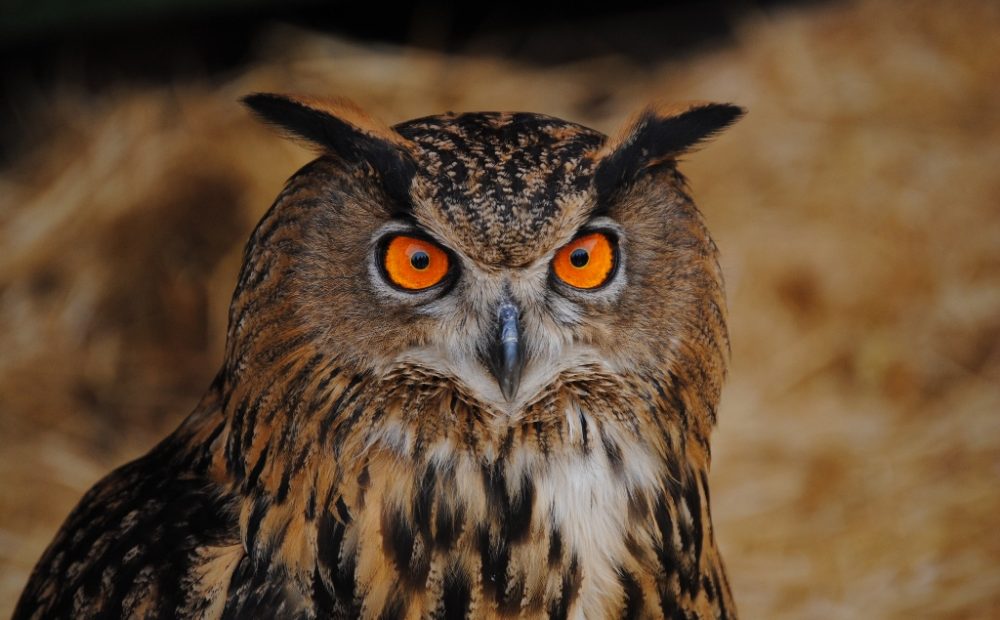
El vuelo del búho real / Flight of the Eagle Owl


En anteriores entradas comentamos que la ZEPA de Monte El Valle y Sierras de Altaona y Escalona, que comienza a la puerta del resort, tiene la mayor densidad de búho real del mundo.

Vea por ejemplo Vecinos con alas en Hacienda Riquelme, Donde vive el búho real o Naturaleza y Observación de aves.

El vídeo siguiente es sobre un impresionante búho real. Dura apenas un minuto. Un vecino de Hacienda Riquelme ha tenido la amabilidad de enviarnos el enlace (¡Gracias Antonio!).

El vídeo está grabado a cámara lenta (1000 imágenes por segundo). Para grabarlo se colocó un cebo justo encima de la lente de la cámara.

Los últimos segundos son sorprendentes. Observe como se mueven las alas para corregir la trayectoria del vuelo y el búho prácticamente se detiene en el aire y coger su presa.

In previous posts we wrote that the Monte el Valle y Sierras de Altaona y Escalona ZEPA (Area with Special Protection for Birds) has the highest density of Eagle Owl in the world. This ZEPA starts at the gate of the resort.

See for example Winged neighbours in Hacienda Riquelme, Where Eagle Owls live or Nature and Bird Watching.

The following video is about an awesome Eagle Owl. It lasts just one minute. A resident in Hacienda Riquelme has kindly sent us the link (thanks Antonio!).

The video was recorded in slow motion (1000 frames per second). To record it, a bait was placed just above the camera lens.

The last few seconds are amazing. Notice how the wings are moved to correct the flight path and the Eagle Owl almost stops in the air and catch its prey.
Búho real. Fuente / Eagle Owl. Source: El lorquino

miércoles, 14 de marzo de 2012

Berenguela de Navarra, Reina de Inglaterra / Berengaria of Navarre, Queen of England

In the post Eleanor of England, Queen of Castile, we explained that Alfonso VIII of Castile was the brother-in-law of Richard the Lionheart. What was not said is that Richard married a cousin of Alfonso VIII, Berengaria of Navarre.

Berengaria was the eldest daughter of King Sancho VI of Navarre and Sancha of Castile. She was Duchess of Normandy and Countess of Anjou.

Berengaria and Alfonso VIII were grandchildren of King Alfonso VII of Castile and Leon and therefore they were first cousins.

Richard and Berengaria met in Messina during the trip to Palestine in the Third Crusade. They got married in Cyprus, where he was crowned as queen consort of England. Their marriage had been promoted by Eleanor of Aquitaine, Richard’s mother, to achieve an alliance with Navarre to secure the southern border of Aquitaine.

Some historians doubt the consummation of the marriage, saying that Richard was homosexual. But other sources set clear he was bisexual and there existed a romantic love between them.

During the campaign of Richard against the Saracens, Berengaria lived in Acre.

Both returned to Europe separately but when Richard was taken prisoner of the German Emperor, Berengaria worked actively to gather the huge demanded ransom.

After Richard's death in 1199, Berengaria held a dispute with John Lackland to claim for compliance with Richard’s testamentary provisions. Her claims were attended only during the reign of Henry III, successor of John Lackland, and thanks to the intervention of the Pope.

Berengaria never set foot in England in Richard's life. She died in 1230 and is buried in Le Mans, in the abbey of L'Epau that she founded.

Acknowlegments
Article reviewed by Alfredo Vílchez, Ph. D. in History.


Olite Castle, former residence of the kings of Navarre. Olite was founded by the Visigothic king Suintila (see The Dark Ages in Murcia. Visigoths ans Byzantines)
Castillo de Olite, antigua residencia de los reyes de Navarra. Olite fue fundada por el rey visigodo Suintila (ver La Alta Edad Media en Murcia. Visigodos y bizantinos)
En la entrada Leonor de Inglaterra, Reina de Castilla, contamos que Alfonso VIII de Castilla era cuñado de Ricardo Corazón de León. Lo que no dijimos es que Ricardo se casó con una prima de Alfonso VIII, Berenguela de Navarra.

Berenguela era la hija mayor del rey Sancho VI de Navarra y de Sancha de Castilla. Fue duquesa de Normandía y condesa de Anjou.

Berenguela y Alfonso VIII eran nietos del rey Alfonso VII de Castilla y León, y por tanto primos carnales.

Ricardo y Berenguela se reunieron en Messina, durante el viaje a Palestina en la tercera Cruzada, Se casaron en Chipre donde fue coronada como reina consorte de Inglaterra. Su matrimonio había sido promovido por Leonor de Aquitania, la madre de Ricardo, para lograr una alianza con Navarra con la que proteger la frontera sur de Aquitania.

Algunos historiadores ponen en duda la consumación del matrimonio, aduciendo que Ricardo era homosexual. Pero otras fuentes permiten afirmar su bisexualidad e incluso la existencia de amor romántico entre ambos.

Durante la campaña de Ricardo contra los sarracenos, Berenguela residió en San Juan de Acre.

Ambos volvieron por separado a Europa pero cuando Ricardo cayó prisionero del emperador alemán, Berenguela colaboró activamente para reunir el cuantioso rescate exigido.

Tras la muerte de Ricardo en 1199, Berenguela mantuvo una disputa con Juan Sin Tierra para reclamar el cumplimiento de las disposiciones testamentarias de Ricardo. Sus reivindicaciones sólo tuvieron éxito durante el reinado de Enrique III, sucesor de Juan Sin Tierra, y gracias a la intervención del Papa.

Berenguela nunca pisó Inglaterra en vida de Ricardo. Murió en 1230 y está enterrada en Le Mans, en la abadía de L’Epau que ella misma fundó.

Agradecimientos
Artículo revisado por Alfredo Vílchez, Doctor en Historia.

Tomb effigy in gilt bronze of Queen Berengaria of Navarre (d. 1230), wife of Richard I of England (Plaster cast with restored gilding. Victoria and Albert Museum, London)
Efigie de la tumba en bronce dorado de la reina Berenguela de Navarra (muerta en 1230), esposa de Ricardo I de Inglaterra (Molde de yeso con el dorado restaurado. Victoria and Albert Museum, Londres)
English links / Enlaces en inglés
Berengaria of Navarre
Eleanora of England, Queen of Castile
The Middle Ages in Murcia. The Muslim rule

Spanish links / Enlaces en español
Berenguela de Navarra
Leonor de Inglaterra, Reina de Castilla
La Edad Media en Murcia. El dominio musulmán