The declaration of Fiesta of International Tourist Interest is an honorary distinction. It is granted by the General Secretariat of Tourism of the Ministry of Industry, Tourism and Commerce of the Government of Spain to events involving expressions of cultural values and folk traditions. There is special consideration for their ethnic characteristics and importance as a tourist attraction.
In the Region de Murcia, the Holy Week of Murcia, Cartagena and Lorca are some of the celebrations of International Tourist Interest. The Holy Week of Orihuela, a town in the province of Alicante next to Hacienda Riquelme, has also this award.
On Holy Tuesday night, a great drum performance ("tamborada") begins in Mula. It is an amazing (and deafening) show.
In case you come to Murcia at Easter, be sure to attend some of these festive religious parades. You can find a lot of additional information through the selected links below.
If you stay a bit longer in Murcia, do not miss the Bando de la Huerta, the great day of the Spring Festival of Murcia, on first Tuesday after Easter. This day is an exaltation of vegetable garden ("huerta") traditions, so closely linked to the history of city. Many Murcia inhabitants go through the streets all day, dressed in the traditional costume.
The Bando de la Huerta has been held since 1851 and just received the qualification of Fiesta of International Tourist Interest in 2012.
La declaración de Fiesta de Interés Turístico Internacional es una distinción de carácter honorífico. La concede la Secretaría General de Turismo del Ministerio de Industria, Turismo y Comercio del Gobierno de España a las fiestas o acontecimientos que supongan manifestaciones de valores culturales y de tradición popular. Se tiene especial consideración a sus características etnológicas y a su importancia como atractivo turístico.
En la Región de Murcia son Fiestas de Interés Turístico Internacional, entre otras, la Semana Santa de Murcia, Cartagena y Lorca. También lo es la Semana Santa de Orihuela, localidad de la provincia de Alicante próxima a Hacienda Riquelme.
En Mula, el Martes Santo por la noche comienza una gran tamborada. Un espectáculo sorprendente (y ensordecedor).
Si viene por el resort en Semana Santa, no deje de presenciar alguna de estas manifestaciones religioso-festivas. Mucha más información disponible en los enlaces seleccionados más abajo.
Si sigue por Murcia unos días más, no se pierda el martes de Pascua la celebración del Bando de la Huerta, día grande de las Fiestas de Primavera de Murcia. La jornada es toda una exaltación de las tradiciones huertanas, tan íntimamente ligadas a la historia de ciudad. Muchísimos murcianos se echan a la calle durante todo el día, ataviados con el traje regional.
El Bando de la Huerta se viene celebrando desde 1851 y acaba de recibir la calificación de Fiesta de Interés Turístico Internacional en 2012.
Spanish links / Enlaces en español
Fiestas españolas declaradas de Interés Turístico Internacional
Semana Santa en España
Semana Santa en Lorca (Wikipedia)
Semana Santa en Lorca (web Lorca Turismo)
Semana Santa en Cartagena (Wikipedia)
Semana Santa en Cartagena (web Cartagena Turismo)
Semana Santa en Murcia (Wikipedia)
Semana Santa en Murcia (web Turismo de Murcia)
Semana Santa de Orihuela (Wikipedia)
Bando de la Huerta (Wikipedia)
Bando de la Huerta (web Región de Murcia Digital)
English links / Enlaces en inglés
Fiestas of International Tourist Interest of Spain
Holy Week in Spain
Holy Week in Lorca (Lorca Tourism)
Holy Week in Cartagena (Cartagena Tourism website)
Holy Week in Murcia (Tourism of Murcia website)
Bando de la Huerta Spring Fiesta (Murcia- Spain website)
viernes, 23 de marzo de 2012
viernes, 16 de marzo de 2012
San Patricio, patrón de Irlanda, Murcia y Lorca / Saint Patrick, patron saint of Ireland, Murcia and Lorca
Ireland is the country, after Spain and the UK, from which this blog gets more visits. We want to use this post to congratulate our Irish neighbours for St. Patrick's Day (March 17).
Everyone knows that St. Patrick (385-461) is the patron saint of Ireland. What not everybody knows is that St. Patrick is also a patron of Murcia and that Lorca has a great devotion to him (the patron saint of Lorca is St. Clement).
The Council of Murcia declared him patron of the city after the battle of Alporchones, held on St. Patrick's Day in 1452. In this battle, King Juan II of Castile defeated the Muslim army of Granada when they were returning after plaguing the region of Cartagena.
In Lorca, the Collegiate Church of St. Patrick (actually, ex-Collegiate) was commanded to be erected in 1533 in memory of that battle. Its construction lasted almost 250 years. The result is a magnificent Renaissance building, monumental cornerstone of the Plaza de España (Spain Square).
Much of their files, a documentary legacy of great historical value, were destroyed by anarchists during the Spanish Civil War.
The building suffered minor damages in the earthquake of 2011. At least a video found in Youtube shows how a statue in the façade was removed after the earthquake.
As read in Región de Murcia Digital, each March 17, an Irish flag is hoisted on the balcony of the Collegiate while playing the Irish national anthem.
Irlanda es el país, tras España y Reino Unido, desde el que este blog recibe más visitas. Queremos aprovechar esta entrada para felicitar a nuestros vecinos irlandeses en el día de San Patricio (17 de marzo).
Todo el mundo sabe que san Patricio (385-461) es el patrón de Irlanda. Lo que no todo el mundo sabe es que San Patricio es también patrón de la ciudad de Murcia y que Lorca le tiene una gran devoción (el patrón de Lorca es San Clemente).
El Concejo de Murcia lo declaró patrón de la ciudad tras la batalla de Alporchones, que tuvo lugar precisamente el día de San Patricio en 1452. En esta batalla, el rey Juan II de Castilla derrotó a las huestes musulmanes procedentes de Granada cuando regresaban de asolar la comarca de Cartagena.
En Lorca, existe la Colegiata de San Patricio (en realidad, ex-Colegiata) mandada erigir en 1533 en recuerdo de la citada batalla. Su construcción se prolongó durante cerca de 250 años. El resultado es un magnífico edificio renacentista, piedra angular del conjunto monumental de la Plaza de España.
Gran parte de sus archivos, que constituían un legado documental de gran valor histórico, fueron destruidos por anarquistas durante la Guerra Civil.
El edificio sufrió algunos daños menores en el terremoto de 2011. En Youtube hay al menos un vídeo en el que se puede ver como tras el terremoto retiran una estatua de la fachada.
Según se cuenta en Región de Murcia Digital, cada 17 de marzo, una bandera irlandesa se iza en la balconada de la Colegiata de Lorca a los acordes del himno nacional irlandés.
Links / Enlaces
Región de Murcia Digital
Colegiata de San Patricio
Los Alporchones, una gran batalla medieval
Semana Santa Lorca
Everyone knows that St. Patrick (385-461) is the patron saint of Ireland. What not everybody knows is that St. Patrick is also a patron of Murcia and that Lorca has a great devotion to him (the patron saint of Lorca is St. Clement).
The Council of Murcia declared him patron of the city after the battle of Alporchones, held on St. Patrick's Day in 1452. In this battle, King Juan II of Castile defeated the Muslim army of Granada when they were returning after plaguing the region of Cartagena.
In Lorca, the Collegiate Church of St. Patrick (actually, ex-Collegiate) was commanded to be erected in 1533 in memory of that battle. Its construction lasted almost 250 years. The result is a magnificent Renaissance building, monumental cornerstone of the Plaza de España (Spain Square).
Much of their files, a documentary legacy of great historical value, were destroyed by anarchists during the Spanish Civil War.
The building suffered minor damages in the earthquake of 2011. At least a video found in Youtube shows how a statue in the façade was removed after the earthquake.
As read in Región de Murcia Digital, each March 17, an Irish flag is hoisted on the balcony of the Collegiate while playing the Irish national anthem.
![]() |
| Collegiate Church of St. Patrick in Lorca / Colegiata de San Patricio en Lorca |
Todo el mundo sabe que san Patricio (385-461) es el patrón de Irlanda. Lo que no todo el mundo sabe es que San Patricio es también patrón de la ciudad de Murcia y que Lorca le tiene una gran devoción (el patrón de Lorca es San Clemente).
El Concejo de Murcia lo declaró patrón de la ciudad tras la batalla de Alporchones, que tuvo lugar precisamente el día de San Patricio en 1452. En esta batalla, el rey Juan II de Castilla derrotó a las huestes musulmanes procedentes de Granada cuando regresaban de asolar la comarca de Cartagena.
En Lorca, existe la Colegiata de San Patricio (en realidad, ex-Colegiata) mandada erigir en 1533 en recuerdo de la citada batalla. Su construcción se prolongó durante cerca de 250 años. El resultado es un magnífico edificio renacentista, piedra angular del conjunto monumental de la Plaza de España.
Gran parte de sus archivos, que constituían un legado documental de gran valor histórico, fueron destruidos por anarquistas durante la Guerra Civil.
El edificio sufrió algunos daños menores en el terremoto de 2011. En Youtube hay al menos un vídeo en el que se puede ver como tras el terremoto retiran una estatua de la fachada.
Según se cuenta en Región de Murcia Digital, cada 17 de marzo, una bandera irlandesa se iza en la balconada de la Colegiata de Lorca a los acordes del himno nacional irlandés.
Links / Enlaces
Región de Murcia Digital
Colegiata de San Patricio
Los Alporchones, una gran batalla medieval
Semana Santa Lorca
jueves, 15 de marzo de 2012
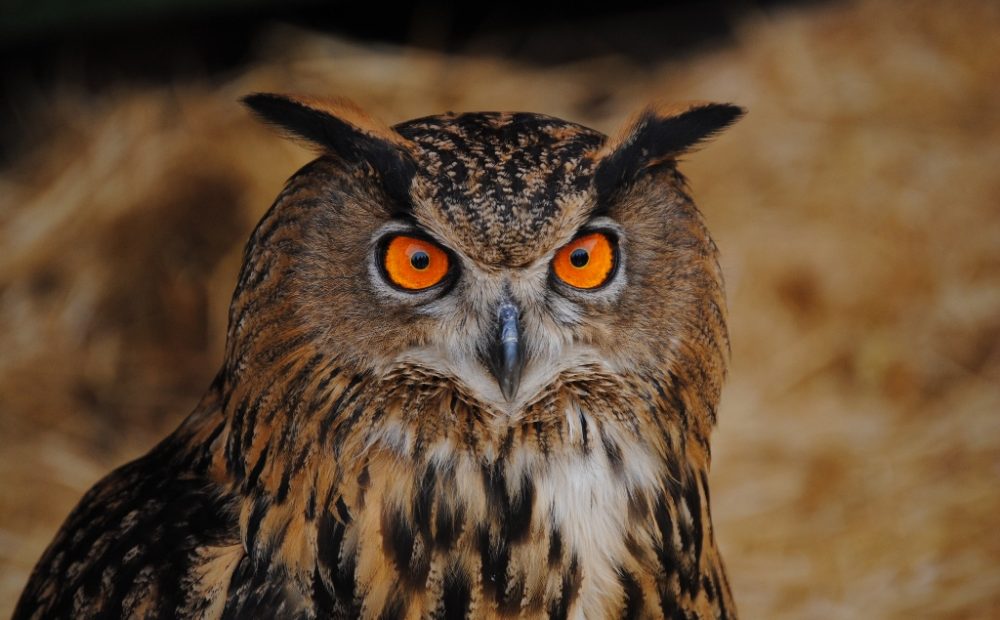
El vuelo del búho real / Flight of the Eagle Owl
En anteriores entradas comentamos que la ZEPA de Monte El Valle y Sierras de Altaona y Escalona, que comienza a la puerta del resort, tiene la mayor densidad de búho real del mundo.
Vea por ejemplo Vecinos con alas en Hacienda Riquelme, Donde vive el búho real o Naturaleza y Observación de aves.
El vídeo siguiente es sobre un impresionante búho real. Dura apenas un minuto. Un vecino de Hacienda Riquelme ha tenido la amabilidad de enviarnos el enlace (¡Gracias Antonio!).
El vídeo está grabado a cámara lenta (1000 imágenes por segundo). Para grabarlo se colocó un cebo justo encima de la lente de la cámara.
Los últimos segundos son sorprendentes. Observe como se mueven las alas para corregir la trayectoria del vuelo y el búho prácticamente se detiene en el aire y coger su presa.
In previous posts we wrote that the Monte el Valle y Sierras de Altaona y Escalona ZEPA (Area with Special Protection for Birds) has the highest density of Eagle Owl in the world. This ZEPA starts at the gate of the resort.
See for example Winged neighbours in Hacienda Riquelme, Where Eagle Owls live or Nature and Bird Watching.
The following video is about an awesome Eagle Owl. It lasts just one minute. A resident in Hacienda Riquelme has kindly sent us the link (thanks Antonio!).
The video was recorded in slow motion (1000 frames per second). To record it, a bait was placed just above the camera lens.
The last few seconds are amazing. Notice how the wings are moved to correct the flight path and the Eagle Owl almost stops in the air and catch its prey.
See for example Winged neighbours in Hacienda Riquelme, Where Eagle Owls live or Nature and Bird Watching.
The following video is about an awesome Eagle Owl. It lasts just one minute. A resident in Hacienda Riquelme has kindly sent us the link (thanks Antonio!).
The video was recorded in slow motion (1000 frames per second). To record it, a bait was placed just above the camera lens.
The last few seconds are amazing. Notice how the wings are moved to correct the flight path and the Eagle Owl almost stops in the air and catch its prey.
![]() |
| Búho real. Fuente / Eagle Owl. Source: El lorquino |
miércoles, 14 de marzo de 2012
Berenguela de Navarra, Reina de Inglaterra / Berengaria of Navarre, Queen of England
In the post Eleanor of England, Queen of Castile, we explained that Alfonso VIII of Castile was the brother-in-law of Richard the Lionheart. What was not said is that Richard married a cousin of Alfonso VIII, Berengaria of Navarre.
Berengaria was the eldest daughter of King Sancho VI of Navarre and Sancha of Castile. She was Duchess of Normandy and Countess of Anjou.
Berengaria and Alfonso VIII were grandchildren of King Alfonso VII of Castile and Leon and therefore they were first cousins.
Richard and Berengaria met in Messina during the trip to Palestine in the Third Crusade. They got married in Cyprus, where he was crowned as queen consort of England. Their marriage had been promoted by Eleanor of Aquitaine, Richard’s mother, to achieve an alliance with Navarre to secure the southern border of Aquitaine.
Some historians doubt the consummation of the marriage, saying that Richard was homosexual. But other sources set clear he was bisexual and there existed a romantic love between them.
During the campaign of Richard against the Saracens, Berengaria lived in Acre.
Both returned to Europe separately but when Richard was taken prisoner of the German Emperor, Berengaria worked actively to gather the huge demanded ransom.
After Richard's death in 1199, Berengaria held a dispute with John Lackland to claim for compliance with Richard’s testamentary provisions. Her claims were attended only during the reign of Henry III, successor of John Lackland, and thanks to the intervention of the Pope.
Berengaria never set foot in England in Richard's life. She died in 1230 and is buried in Le Mans, in the abbey of L'Epau that she founded.
Acknowlegments
Article reviewed by Alfredo Vílchez, Ph. D. in History.
En la entrada Leonor de Inglaterra, Reina de Castilla, contamos que Alfonso VIII de Castilla era cuñado de Ricardo Corazón de León. Lo que no dijimos es que Ricardo se casó con una prima de Alfonso VIII, Berenguela de Navarra.
Berenguela era la hija mayor del rey Sancho VI de Navarra y de Sancha de Castilla. Fue duquesa de Normandía y condesa de Anjou.
Berenguela y Alfonso VIII eran nietos del rey Alfonso VII de Castilla y León, y por tanto primos carnales.
Ricardo y Berenguela se reunieron en Messina, durante el viaje a Palestina en la tercera Cruzada, Se casaron en Chipre donde fue coronada como reina consorte de Inglaterra. Su matrimonio había sido promovido por Leonor de Aquitania, la madre de Ricardo, para lograr una alianza con Navarra con la que proteger la frontera sur de Aquitania.
Algunos historiadores ponen en duda la consumación del matrimonio, aduciendo que Ricardo era homosexual. Pero otras fuentes permiten afirmar su bisexualidad e incluso la existencia de amor romántico entre ambos.
Durante la campaña de Ricardo contra los sarracenos, Berenguela residió en San Juan de Acre.
Ambos volvieron por separado a Europa pero cuando Ricardo cayó prisionero del emperador alemán, Berenguela colaboró activamente para reunir el cuantioso rescate exigido.
Tras la muerte de Ricardo en 1199, Berenguela mantuvo una disputa con Juan Sin Tierra para reclamar el cumplimiento de las disposiciones testamentarias de Ricardo. Sus reivindicaciones sólo tuvieron éxito durante el reinado de Enrique III, sucesor de Juan Sin Tierra, y gracias a la intervención del Papa.
Berenguela nunca pisó Inglaterra en vida de Ricardo. Murió en 1230 y está enterrada en Le Mans, en la abadía de L’Epau que ella misma fundó.
Agradecimientos
Artículo revisado por Alfredo Vílchez, Doctor en Historia.
English links / Enlaces en inglés
Berengaria of Navarre
Eleanora of England, Queen of Castile
The Middle Ages in Murcia. The Muslim rule
Spanish links / Enlaces en español
Berenguela de Navarra
Leonor de Inglaterra, Reina de Castilla
La Edad Media en Murcia. El dominio musulmán
Berengaria was the eldest daughter of King Sancho VI of Navarre and Sancha of Castile. She was Duchess of Normandy and Countess of Anjou.
Berengaria and Alfonso VIII were grandchildren of King Alfonso VII of Castile and Leon and therefore they were first cousins.
Richard and Berengaria met in Messina during the trip to Palestine in the Third Crusade. They got married in Cyprus, where he was crowned as queen consort of England. Their marriage had been promoted by Eleanor of Aquitaine, Richard’s mother, to achieve an alliance with Navarre to secure the southern border of Aquitaine.
Some historians doubt the consummation of the marriage, saying that Richard was homosexual. But other sources set clear he was bisexual and there existed a romantic love between them.
During the campaign of Richard against the Saracens, Berengaria lived in Acre.
Both returned to Europe separately but when Richard was taken prisoner of the German Emperor, Berengaria worked actively to gather the huge demanded ransom.
After Richard's death in 1199, Berengaria held a dispute with John Lackland to claim for compliance with Richard’s testamentary provisions. Her claims were attended only during the reign of Henry III, successor of John Lackland, and thanks to the intervention of the Pope.
Berengaria never set foot in England in Richard's life. She died in 1230 and is buried in Le Mans, in the abbey of L'Epau that she founded.
Acknowlegments
Article reviewed by Alfredo Vílchez, Ph. D. in History.
![]() |
| Olite Castle, former residence of the kings of Navarre. Olite was founded by the Visigothic king Suintila (see The Dark Ages in Murcia. Visigoths ans Byzantines) Castillo de Olite, antigua residencia de los reyes de Navarra. Olite fue fundada por el rey visigodo Suintila (ver La Alta Edad Media en Murcia. Visigodos y bizantinos) |
Berenguela era la hija mayor del rey Sancho VI de Navarra y de Sancha de Castilla. Fue duquesa de Normandía y condesa de Anjou.
Berenguela y Alfonso VIII eran nietos del rey Alfonso VII de Castilla y León, y por tanto primos carnales.
Ricardo y Berenguela se reunieron en Messina, durante el viaje a Palestina en la tercera Cruzada, Se casaron en Chipre donde fue coronada como reina consorte de Inglaterra. Su matrimonio había sido promovido por Leonor de Aquitania, la madre de Ricardo, para lograr una alianza con Navarra con la que proteger la frontera sur de Aquitania.
Algunos historiadores ponen en duda la consumación del matrimonio, aduciendo que Ricardo era homosexual. Pero otras fuentes permiten afirmar su bisexualidad e incluso la existencia de amor romántico entre ambos.
Durante la campaña de Ricardo contra los sarracenos, Berenguela residió en San Juan de Acre.
Ambos volvieron por separado a Europa pero cuando Ricardo cayó prisionero del emperador alemán, Berenguela colaboró activamente para reunir el cuantioso rescate exigido.
Tras la muerte de Ricardo en 1199, Berenguela mantuvo una disputa con Juan Sin Tierra para reclamar el cumplimiento de las disposiciones testamentarias de Ricardo. Sus reivindicaciones sólo tuvieron éxito durante el reinado de Enrique III, sucesor de Juan Sin Tierra, y gracias a la intervención del Papa.
Berenguela nunca pisó Inglaterra en vida de Ricardo. Murió en 1230 y está enterrada en Le Mans, en la abadía de L’Epau que ella misma fundó.
Agradecimientos
Artículo revisado por Alfredo Vílchez, Doctor en Historia.
English links / Enlaces en inglés
Berengaria of Navarre
Eleanora of England, Queen of Castile
The Middle Ages in Murcia. The Muslim rule
Spanish links / Enlaces en español
Berenguela de Navarra
Leonor de Inglaterra, Reina de Castilla
La Edad Media en Murcia. El dominio musulmán
lunes, 12 de marzo de 2012
Leonor de Inglaterra, Reina de Castilla / Eleanor of England, Queen of Castile
Anglo-Spanish relations at the highest level go back some time as is borne out by the following.
In the post The Middle Ages in Murcia. The Muslim rule, we explained how in 1212 the Almohads suffered a major defeat at the battle of Las Navas de Tolosa against the Christian army led by King Alfonso VIII of Castile. What was not said is that Alfonso VIII was the brother-in-law of Richard the Lionheart.
In 1170 Alfonso VIII married Eleanor Plantagenet, or of England, the daughter of King Henry II of England and Eleanor of Aquitaine, also the parents of Richard the Lionheart and John Lackland, among others.
Eleanor of England was a queen consort with great political influence. She had at least ten sons, possibly more. Two of them were kings: Enrique I of Castile and Berenguela I of Castile.
By 1180 the Castilian monarch and his wife decided to found the monastery of Cistercian nuns of Las Huelgas de Burgos, that was elected by Alfonso VIII and Eleanor as a royal tomb for themselves and their descendants (if passing through Burgos, be sure to visit it).
The queen ordered that a chapel dedicated to St Thomas Becket (of Canterbury) be built in the Cathedral of Toledo. It was the first chapel dedicated to the British saint outside the British Isles.
In 1183, Eleanor also ordered that a cathedral be built on the site of a mosque in Cuenca, a city that had recently been reconquered.
Alfonso VIII and Eleanor were married for 44 years. Both died in 1214, within a few weeks of each other.
In the post The Middle Ages in Murcia. The Muslim rule, we explained how in 1212 the Almohads suffered a major defeat at the battle of Las Navas de Tolosa against the Christian army led by King Alfonso VIII of Castile. What was not said is that Alfonso VIII was the brother-in-law of Richard the Lionheart.
In 1170 Alfonso VIII married Eleanor Plantagenet, or of England, the daughter of King Henry II of England and Eleanor of Aquitaine, also the parents of Richard the Lionheart and John Lackland, among others.
Eleanor of England was a queen consort with great political influence. She had at least ten sons, possibly more. Two of them were kings: Enrique I of Castile and Berenguela I of Castile.
By 1180 the Castilian monarch and his wife decided to found the monastery of Cistercian nuns of Las Huelgas de Burgos, that was elected by Alfonso VIII and Eleanor as a royal tomb for themselves and their descendants (if passing through Burgos, be sure to visit it).
The queen ordered that a chapel dedicated to St Thomas Becket (of Canterbury) be built in the Cathedral of Toledo. It was the first chapel dedicated to the British saint outside the British Isles.
In 1183, Eleanor also ordered that a cathedral be built on the site of a mosque in Cuenca, a city that had recently been reconquered.
Alfonso VIII and Eleanor were married for 44 years. Both died in 1214, within a few weeks of each other.
En la entrada La Edad Media en Murcia. El dominio musulmán, contamos como en el año 1212 los almohades sufrieron una gran derrota en la batalla de las Navas de Tolosa ante el ejército cristiano comandado por el rey de Castilla Alfonso VIII. Lo que no dijimos es que Alfonso VIII era cuñado de Ricardo Corazón de León.
Alfonso VIII casó en 1170 con Leonor Plantagenet, o de Inglaterra, hija del rey inglés Enrique II de Inglaterra y de Leonor de Aquitania, padres también del citado Ricardo Corazón de León y de Juan Sin Tierra, entre otros.
Leonor de Inglaterra fue una reina consorte con gran influencia política. Tuvo al menos 10 hijos, posiblemente más. Dos de ellos fueron reyes: Enrique I de Castilla y Berenguela I de Castilla.
Hacia 1180 el monarca castellano y su esposa decidieron fundar el monasterio de monjas cistercienses de las Huelgas de Burgos, que fue elegido por Alfonso VIII y Leonor como panteón real para ellos y sus descendientes (si pasa por Burgos, no deje de visitarlo).
La reina ordenó edificar en la catedral de Toledo una capilla dedicada a Santo Tomás Becket (o de Canterbury). Fue la primera dedicada al santo británico fuera de las Islas Británicas.
En 1183, Leonor ordenó también que se comenzase a construir una catedral sobre el solar de una mezquita de Cuenca, ciudad que había sido reconquistada recientemente.
Alfonso VIII y Leonor estuvieron casados 44 años. Ambos fallecieron en 1214, con pocas semanas de diferencia.
English links / Enlaces en inglés
Eleanor of England, Queen of Castile
Alfonso VIII of Castile
Abbey of Santa María la Real de Las Huelgas
Eleanor of Aquitaine
The Middle Ages in Murcia. The Muslim rule
Spanish links / Enlaces en español
Leonor Plantagenet
Alfonso VIII de Castilla
Sepultura de Alfonso VIII y Leonor Plantagenet
Monasterio de Santa María la Real de Las Huelgas
Leonor de Aquitania
La Edad Media en Murcia. El dominio musulmán
Recommended video (in Spanish) / Vídeo recomendado (en español)
Leonor Plantagenet (Mujeres en la Historia. RTVE.es A la Carta)
miércoles, 7 de marzo de 2012
Cartagena enseña "inglés turístico" a la policía del casco antiguo / Cartagena teaches "tourist English" to police of the old town
Cartagena's townhall wants the officers to be better prepared to meet foreign visitors.
The city is massively visited during Easter that has been declared of International Tourist Interest.
Full article at Murciaeconomia.com (translation by Google).
More multimedia info at Holy Week Cartagena 2012.
El ayuntamiento de Cartagena quiere que los agentes estén mejor preparados para atender a los visitantes extranjeros.
La ciudad recibe visitas masivas durante la Semana Santa, que está declarada de Interés Turístico Internacional.
Artículo completo en Murciaeconomia.com.
Más información multimedia en Semana Santa de Cartagena 2012.
The city is massively visited during Easter that has been declared of International Tourist Interest.
Full article at Murciaeconomia.com (translation by Google).
More multimedia info at Holy Week Cartagena 2012.
El ayuntamiento de Cartagena quiere que los agentes estén mejor preparados para atender a los visitantes extranjeros.
La ciudad recibe visitas masivas durante la Semana Santa, que está declarada de Interés Turístico Internacional.
Artículo completo en Murciaeconomia.com.
Más información multimedia en Semana Santa de Cartagena 2012.
lunes, 5 de marzo de 2012
Jardines y fugas de agua / Gardens and water leaks
Our green areas consumed a lot of water during 2011. To reduce the maintenance cost of these areas, we talked in previous posts about the book Mediterranean wild species with ornamental value (pdf). Now we bring the links to two other books that we find of interest (click in the links to download):
Irrigation networks, like any other water distribution network, can have leaks. Before taking other measures, we should evaluate how important these losses are, and then to locate and repair them.
Thanks to the available irrigation water meters for common areas and for town hall areas, losses can be evaluated. Measures should be done without irrigating, but with the pressure maintenance pump turned on. In winter, there is hardly irrigation and this pump is usually turned off. With no pressure, there shouldn’t be significant water leakages.
Nuestras zonas verdes tuvieron un alto consumo de agua en 2011. A fin de reducir el coste del mantenimiento de estas zonas, ya hemos hablado en entradas anteriores del libro Especies silvestres mediterráneas con valor ornamental (pdf). Ahora traemos los enlaces a otros dos libros que nos parecen de interés (haga clic en los enlaces para descargarlos):
Las redes de riego, como cualquier otra red de distribución de agua, pueden tener fugas importantes. Antes de tomar otras medidas, se debería evaluar cuanto suponen esas pérdidas en condiciones normales de uso, localizarlas y repararlas.
Gracias a la existencia de contadores de agua de riego de zonas comunes y de las zonas del ayuntamiento es posible evaluar las pérdidas. La medida se debe hacer sin regar, pero con la bomba de mantenimiento de presión encendida. En invierno apenas se riega y dicha bomba suele estar apagada. Al no haber presión, tampoco debería haber pérdidas significativas de agua.
miércoles, 29 de febrero de 2012
AGM 2012
Next March 12th, 2012, the AGM of Hacienda Riquelme Golf Resort will be held.
Be sure to visit the forum of the Community of Owners Website (registered users only). You will find several threads of interest related to this year AGM.
Before that forum was available, we had made several proposals for the AGM and the community. Situation has changed a lot but some of these proposals remain still valid although uploaded in 2010. For example, take a look at the post AGM 2011 proposals.
March 1st update: We have just been informed that a professional translator will attend the AGM. The President and the Committee have finally accepted a sensible request. Good news for everybody.
Be sure to visit the forum of the Community of Owners Website (registered users only). You will find several threads of interest related to this year AGM.
Before that forum was available, we had made several proposals for the AGM and the community. Situation has changed a lot but some of these proposals remain still valid although uploaded in 2010. For example, take a look at the post AGM 2011 proposals.
March 1st update: We have just been informed that a professional translator will attend the AGM. The President and the Committee have finally accepted a sensible request. Good news for everybody.
El próximo 12 de marzo de 2012 se celebrará la AGM de Hacienda Riquelme Golf Resort.
No deje de visitar el foro de la página de la comunidad de propietarios (sólo usuarios registrados). Encontrará varios hilos de gran interés.
Antes de la existencia de ese foro, desde este blog hicimos diversas propuestas para mejorar el funcionamiento de la AGM y de la comunidad. La situación ha cambiado mucho, pero algunas propuestas siguen teniendo validez, a pesar de que se publicaron en 2010. Vea, por ejemplo, la entrada Propuestas para la AGM 2011.
Actualización 1 de marzo: Acabamos de ser informados que un traductor profesional asistirá a la AGM. El Presidente y el Comité han aceptado finalmente una petición razonable. Son buenas noticias para todos.
viernes, 24 de febrero de 2012
Open de Murcia de Mountain Bike / Murcia Open of Mountain Biking
![]() |
| More info at / Más información en SucinaTV, Sucina; ayer, hoy y siempre |
martes, 21 de febrero de 2012
Vistas actualizadas de Hacienda Riquelme en Google Earth / Updated views of Hacienda Riquelme in Google Earth
After at least four years, Google has finally updated its maps. New satellite views of Hacienda Riquelme Golf Resort are now available. Pictures were taken on January 4, 2011.
Google Earth and Google Maps use the same maps. Google Earth offers 3D views and other functions (e.g. a flight simulator) that Google Maps doesn't.
Después de por lo menos cuatro años, Google ha actualizado por fin sus mapas. Vistas desde satélite recientes de Hacienda Riquelme Golf Resort están ahora disponibles. Las fotos se tomaron el 4 de enero de 2011.
Google Earth y Google Maps utilizan los mismos mapas. Google Earth ofrece vistas en 3D y otras funciones, como un simulador de vuelo, que Google Maps no tiene.
Google Earth and Google Maps use the same maps. Google Earth offers 3D views and other functions (e.g. a flight simulator) that Google Maps doesn't.
Después de por lo menos cuatro años, Google ha actualizado por fin sus mapas. Vistas desde satélite recientes de Hacienda Riquelme Golf Resort están ahora disponibles. Las fotos se tomaron el 4 de enero de 2011.
Google Earth y Google Maps utilizan los mismos mapas. Google Earth ofrece vistas en 3D y otras funciones, como un simulador de vuelo, que Google Maps no tiene.
![]() |
| Click in the picture to enlarge it / Haga clic en la imagen para ampliarla |
lunes, 20 de febrero de 2012
Carthago Nova en los premios Goya / Carthago Nova in the Goya Awards
The digital animated feature Carthago Nova has been one of the finalists in the Goya awards gala held on February 19, 2012.
See the trailers included in this post. There is a lot of additional information available in Región de Murcia Digital.
In the late years, the Spanish industry of animation is achieving great successes, especially valuable now, in crisis time. Merely by way of an example, have you ever seen the movies Planet 51, Chico and Rita or Wrinkles?
See the trailers included in this post. There is a lot of additional information available in Región de Murcia Digital.
In the late years, the Spanish industry of animation is achieving great successes, especially valuable now, in crisis time. Merely by way of an example, have you ever seen the movies Planet 51, Chico and Rita or Wrinkles?
El largometraje de animación digital Carthago Nova ha sido uno de las finalistas en la gala de los premios Goya celebrada el 19 de febrero de 2012.
Vea los trailers incluidos en esta entrada. Hay abundante información adicional disponible en Región de Murcia Digital.
En los últimos años, la industria española de la animación está obteniendo grandes éxitos, especialmente valiosos ahora, en tiempos de crisis. A modo de ejemplo ¿Ha visto las películas Planet 51, Chico y Rita o Arrugas?
sábado, 18 de febrero de 2012
Desaladoras y el precio del agua / Desalination and water price
Fresh water is unevenly distributed in Spain and the provinces of the Mediterranean usually have deficit. To try to solve this problem the government of the Popular Party (PP) approved the National Hydrological Plan (NHP) in 2001.
The NHP was heavily protested mainly because it considered inter alia the construction of transfers between rivers. Following the 2004 general elections, the new socialist government abolished it. To ensure the supply of fresh water, but without resorting to these transfers, it committed itself to enhance the construction of seawater desalination plants. In fact, during the PP government, they had already begun to build them.
The first seawater desalination plant in Spain was installed in Lanzarote in 1965. Those built today are high-tech highly developed facilities using a system called reverse osmosis.
Reverse osmosis is essentially to flow high-pressure water through semipermeable membranes in which salts and solid wastes are decanted.
Desalination plants allow getting drinking water but they have several drawbacks:
The NHP was heavily protested mainly because it considered inter alia the construction of transfers between rivers. Following the 2004 general elections, the new socialist government abolished it. To ensure the supply of fresh water, but without resorting to these transfers, it committed itself to enhance the construction of seawater desalination plants. In fact, during the PP government, they had already begun to build them.
The first seawater desalination plant in Spain was installed in Lanzarote in 1965. Those built today are high-tech highly developed facilities using a system called reverse osmosis.
Reverse osmosis is essentially to flow high-pressure water through semipermeable membranes in which salts and solid wastes are decanted.
Desalination plants allow getting drinking water but they have several drawbacks:
- Energy-intensive, usually from fossil fuels. Therefore, the price of produced water depends on the hydrocarbons.
- Many wastes are generated in the form of brine and other contaminants to be dispersed or stored without creating more pollution.
- They can only be built near the coast and at low altitudes to reduce the energy required to transport water to the plant.
- Desalinated water is expensive, as a result of the foregoing. However, technological advances are gradually reducing the impact of these problems.
In March 2007, President Zapatero told that the Segura River basin would get water independence with desalination. Nearly five years later, the volume of desalinated water produced is less than a quarter of the initially planned. In addition, the demand for this water is minimal. It is because there has not been drought in recent years. But above all, it is because the price is three to five times higher (depending on use) than the water of the Tajo-Segura transfer. Too expensive for farmers can afford it and maintain profitability of their farms. It is also argued that the quality of desalinated water is not the best for the land. However, the price is much more than quality, which causes this rejection.
After large investments and with the PP in power again, what will happen to desalination plants and water policy? Who and at what price will be the main consumers of desalinated water? Will the golf resorts?
Acknowledgements
Marta, for reviewing the draft.
Fernando Cortina, for the technical review.
![]() |
| Plan of a typical reverse osmosis desalination plant. Source: Wikipedia / Componentes del diseño de una planta de desalación por ósmosis inversa. Fuente: Wikipedia |
El PHN fue muy contestado por contemplar entre otras medidas la construcción de trasvases entre ríos. Tras las elecciones generales de 2004, el nuevo gobierno socialista lo abolió. A fin de garantizar el suministro de agua dulce, pero sin recurrir a los trasvases, se apostó por potenciar la construcción de plantas de desalinización de agua del mar. De hecho, durante el gobierno del PP ya se habían empezado a construir.
La primera desaladora de agua marina de España se instaló en Lanzarote en 1965. Las que se construyen en la actualidad son instalaciones de alta tecnología muy evolucionadas y que utilizan el sistema denominado de ósmosis inversa.
La ósmosis inversa consiste en esencia en hacer pasar agua a alta presión por unas membranas semipermeables en las que se van decantando las sales y residuos sólidos.
Las plantas desaladoras permiten obtener agua potable pero tienen varios inconvenientes:
- Consumen mucha energía, generalmente proveniente de combustibles fósiles. Por tanto, el precio del agua producida depende del de los hidrocarburos.
- Se generan muchos residuos en forma de salmuera y otros más contaminantes que se deben dispersar o almacenar sin que generen más contaminación.
- Sólo pueden construirse cerca de la costa y en cotas bajas para reducir la energía requerida para el transporte del agua hasta la planta.
- El agua desalada obtenida es cara, como consecuencia de todo lo anterior. No obstante, los avances tecnológicos van reduciendo el impacto de los problemas citados.
En marzo de 2007, el presidente Zapatero proclamó que la cuenca del río Segura conseguiría la independencia hídrica con las desaladoras. Casi cinco años después, el volumen de agua desalada producida es menos de la cuarta parte del inicialmente previsto. Además, la demanda de este agua es mínima. Ello se debe a que en los últimos años no ha habido sequía. Pero, sobre todo, a que el precio es entre tres y cinco veces superior (dependiendo del tipo de uso) al del agua del trasvase Tajo-Segura. Demasiado cara para que los agricultores puedan pagarla y mantener la rentabilidad de sus explotaciones. Se argumenta también que la calidad del agua desalada no es la más adecuada para las tierras de cultivo. Con todo, es el precio, mucho más que la calidad, lo que provoca este rechazo.
Tras las grandes inversiones realizadas y con el PP de nuevo en el poder ¿Qué pasará con las desaladoras y la política hídrica? ¿Quiénes y a qué precio serán los principales consumidores del agua desalada? ¿Los resorts de golf?
Agradecimientos
Marta, por la revisión del borrador.
Fernando Cortina, por la revisión técnica.
![]() |
| Desalination plant in San Pedro del Pinatar. Source: AEDyR / Planta desaladora en San Pedro del Pinatar. Fuente: AEDyR |
Muy Interesante. Desaladoras
Eroski Consumer. Desaladoras: razones a favor y en contra
Slideshare. Desaladoras
Ciencia de la Frontera. Tecnologías del agua: Desaladoras
Wikipedia. Desalination
Wikipedia. Reverse osmosis
AEDyR. Asociación Española de Desalación y Reutilización
La Verdad. Estalla la burbuja de las desalinizadoras
ABC. Murcia propone vender las desaladoras a los países árabes por su “fracaso”
El periódico Mediterráneo. Las desaladoras tampoco ‘funcionan’ en el resto del litoral mediterráneo
Agencia Estatal de Meteorología. Resúmenes Anuales Climatológicos 2007, 2008, 2009, 2010 y 2011
miércoles, 8 de febrero de 2012
Real Decreto de Balance Neto / Royal Decree of Net Metering
Last November, the former Spanish government released a draft of a Royal Decree to regulate (and simplify) administrative, technical and economic conditions for power supply with net metering.
This supply mode will allow renewable power plants (photovoltaic, wind turbines) owned by individuals, communities and businesses, and targeted for self-consumption, to dump their surplus to the grid, and to consume from it when they have deficits.
Net metering will be done annually. If you consumed more energy than generated, then you will pay for the difference. If you consumed less, the current Royal Decree draft sets that the power company will pay you nothing.
If you look into Google for Real Decreto de Balance Neto you will see that the entire renewable energy sector is revolutionized with the possibilities arisen with the new law.
When the final version of the Royal Decree is published and becomes effective, will provide significant economic and environmental benefits:
This supply mode will allow renewable power plants (photovoltaic, wind turbines) owned by individuals, communities and businesses, and targeted for self-consumption, to dump their surplus to the grid, and to consume from it when they have deficits.
Net metering will be done annually. If you consumed more energy than generated, then you will pay for the difference. If you consumed less, the current Royal Decree draft sets that the power company will pay you nothing.
If you look into Google for Real Decreto de Balance Neto you will see that the entire renewable energy sector is revolutionized with the possibilities arisen with the new law.
When the final version of the Royal Decree is published and becomes effective, will provide significant economic and environmental benefits:
- Network losses in distributed generation of electricity will reduce.
- Investment needs in new networks will reduce.
- Investments in small renewable energy facilities will be encouraged.
- Impact of electrical installations in your environment will be minimized.
- Lower electricity bill of consumers in generation facilities (in the long term, having into account the required investment and forecast increase of electricity prices).
- The system does not depend (or depend much less) on subsidies.
There are plenty of options for generating electricity, not only in and for the common areas of the resort, but for each sub-community. This is a topic for further study.
En noviembre pasado, el anterior gobierno de España publicó un borrador de Real Decreto para regular (y simplificar) las condiciones administrativas, técnicas y económicas de la modalidad de suministro de energía eléctrica con balance neto.
Esta modalidad de suministro permitirá que las instalaciones para generación de energía renovable (placas fotovoltaicas, aerogeneradores) para autoconsumo de particulares, comunidades o empresas puedan verter sus excedentes a la red eléctrica y consumir de ella cuando tengan déficit.
Anualmente se hará balance. Si se ha consumido más energía de la generada, se pagará por la diferencia. Si se ha consumido menos, el actual borrador de Real Decreto contempla que la compañía eléctrica no abonará nada por esa diferencia.
Si busca en Google Real Decreto de Balance Neto verá que todo el sector de las energías renovables está revolucionado con las posibilidades que surgen con la nueva ley.
Cuando la versión definitiva del Real Decreto se publique y entre en vigor, se prevén importantes beneficios económicos y ecológicos:
- La generación distribuida de electricidad reducirá las perdidas de la red.
- Se reducirán las necesidades de inversión en nuevas redes.
- Se fomentará la inversión en pequeñas instalaciones de energías renovables.
- Se minimizará el impacto de las instalaciones eléctricas en su entorno.
- Disminuirá la factura de la electricidad de los consumidores con instalaciones de generación (a largo plazo, teniendo en cuenta la inversión requerida y el aumento previsto del precio de la electricidad).
- El sistema no dependerá (o dependerá mucho menos) de subvenciones.
Hay multitud de opciones más para generar electricidad, no sólo en y para las zonas comunes del resort, sino para cada subcomunidad. Pero todo esto es un tema a estudiar.
Related links / Enlaces relacionados
El Confidencial. El día que el recibo de la luz nos dé dinero
Primer borrador del Real Decreto de Balance Neto
Greenpeace. Observaciones al Proyecto de Real Decreto de Balance Neto
La Razón. El autoconsumo energético: clave para el ahorro
Aprobado Real Decreto que prepara las condiciones para acceder al Autoconsumo de Renovables
Aprobado Real Decreto Autoconsumo de Renovables
lunes, 6 de febrero de 2012
jueves, 2 de febrero de 2012
Espacios naturales de la Región de Murcia / Natural areas in Región de Murcia
If you are interested in protected sites located near the resort, read the post Natural areas near Hacienda Riquelme.
Furthermore, you have two quality documentaries freely available to see in streaming from the Radio Televisión Española videolibrary. One is about Mar Menor Parks and the other about Sierra Espuña (click on the links to start playing them).
These two programs are part of the series entitled Natural Areas that has broadcast 70 documentaries since 2004. All of them are available to you.
![]() |
| Play / Reproducir |
Además, en la videoteca de Radio Televisión Española están disponibles gratuitamente para visualizar en streaming dos buenos reportajes. Uno es sobre Parques del Mar Menor y el otro sobre Sierra Espuña (haga clic en los enlaces anteriores para empezar a reproducirlos).
Estos dos programas forman parte de una serie titulada Espacios Naturales que ha emitido 70 documentales desde 2004. Todos ellos están a su disposición.
![]() |
| Play / Reproducir |
Suscribirse a:
Entradas (Atom)